// Aptomix_Mobile_Nav_Walker is defined in includes/class-aptomix-nav-walker.php // and loaded by the plugin bootstrap before this template renders.

Synthetic Aptamers

A new class of molecular receptors for drug discovery.

Bioassays for Drug Discovery

Next-generation Bioassay Tech

Quantification of small molecules and proteins by a single method.

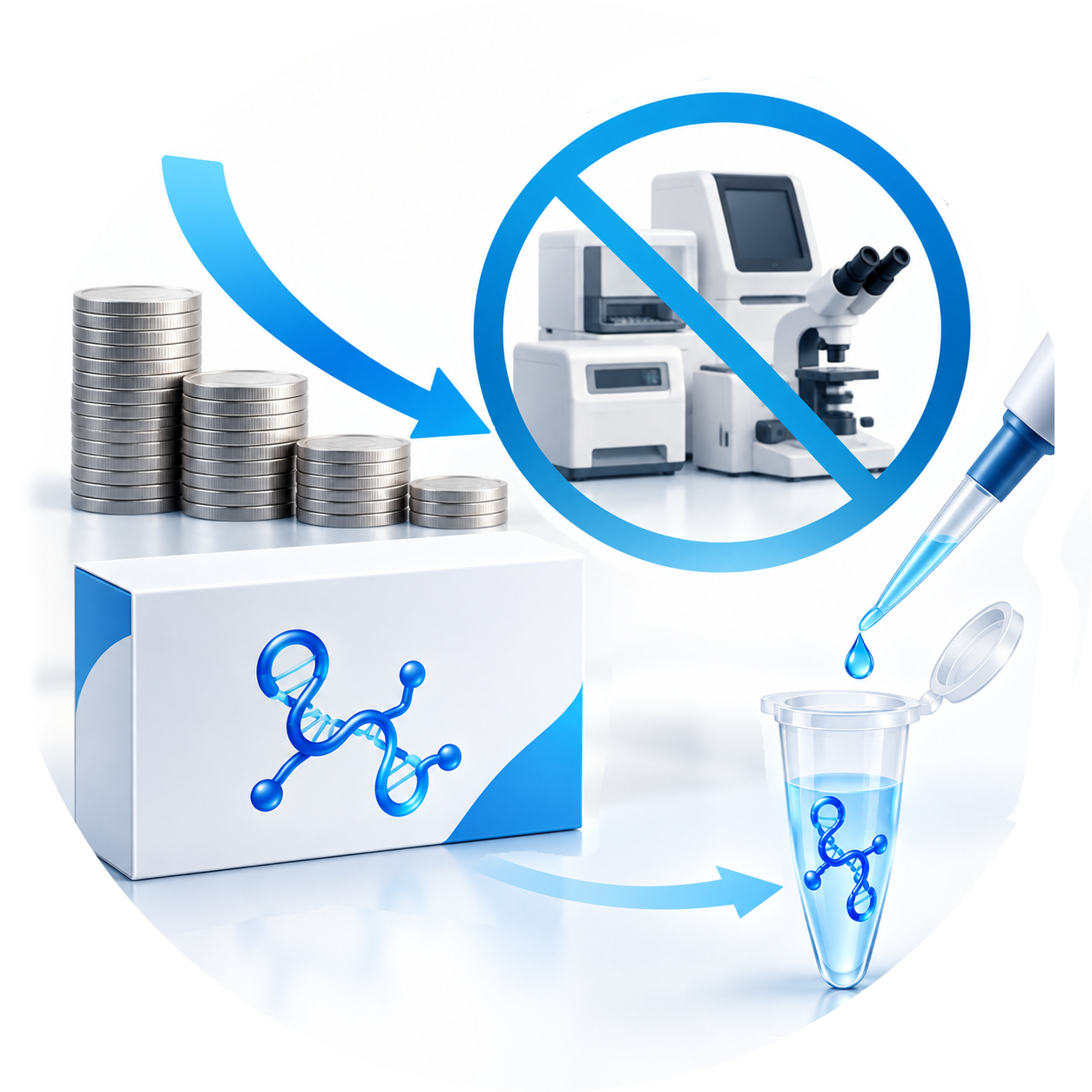
Faster, Simpler and More Accessible Healthcare

Innovative Chemistry

Greater speed, simplicity, and miniaturization capability compared to existing technologies.

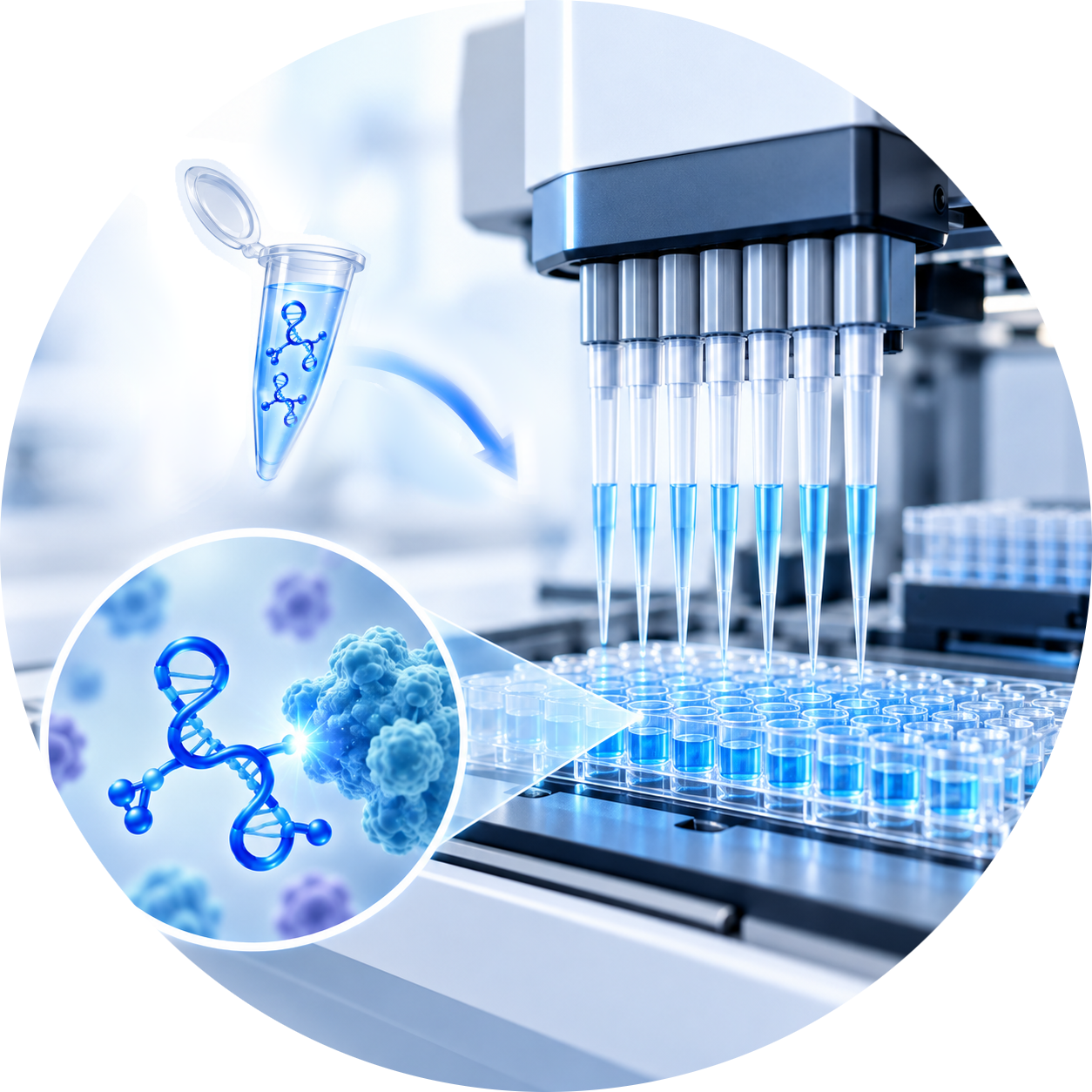
High Automation and Miniaturization Potential

About

Aptomix is a chemical technology startup company developing synthetic aptamers, a new type of abiotic molecular receptors enabling easy and rapid detection and quantification of target molecules in a variety of biomedical applications. Our synthetic aptamers offer strong advantages over existing receptor types in terms of the scope of target molecules and the ability to provide an immediately observable response upon target binding. The first product offering of the synthetic aptamer platform developed by Aptomix will be a collection of receptors for metabolomic and proteomic bioassays — quantification of small molecules and proteins by a single method — with greater speed, simplicity, and miniaturization capability compared to existing techniques.

Speed

Speed

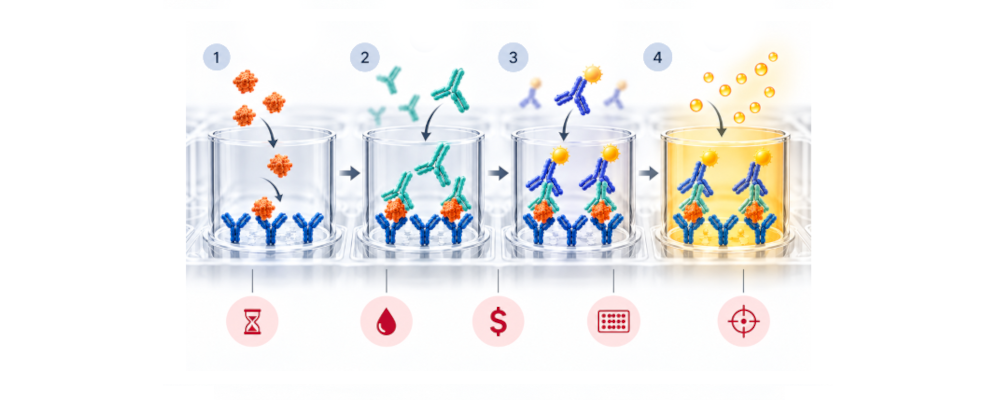
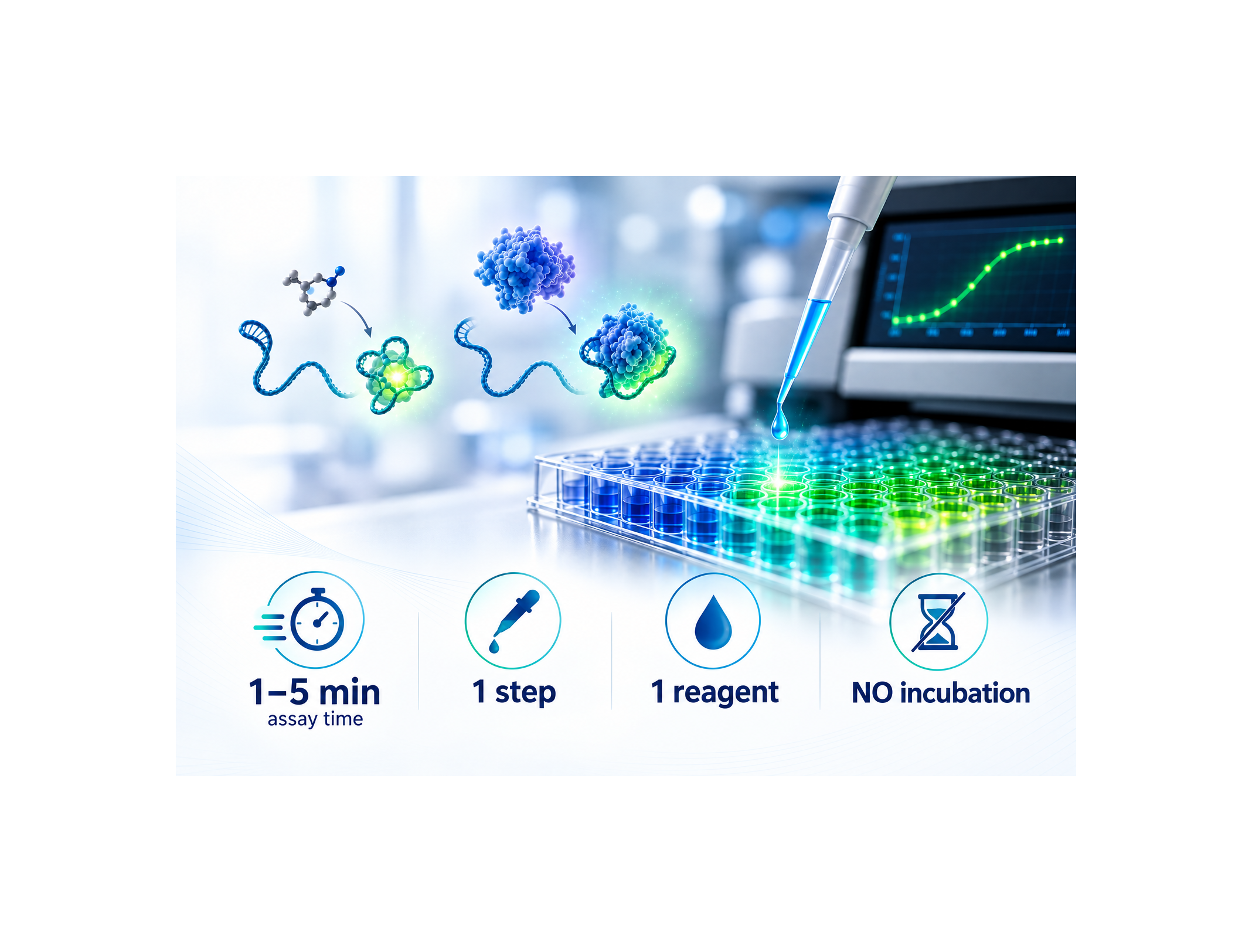
1–5 min assay time. No incubation periods required.

Cost

Cost

Pricing comparable to immunoassay kits. No specialist equipment needed.

Versatility

Versatility

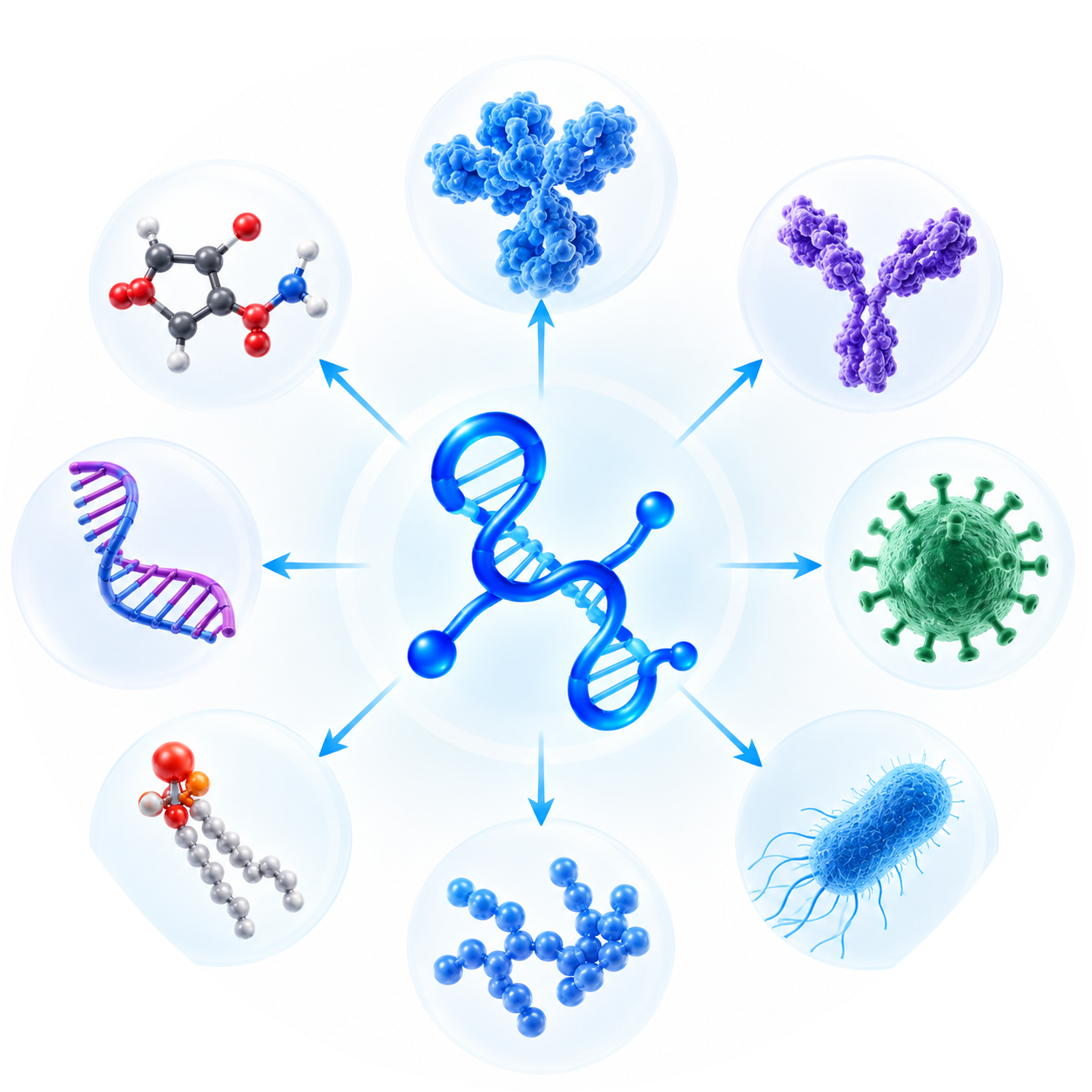
Theoretically any target — small molecules and proteins.

Automation

Automation

Single-step procedure. Automation-friendly by design.

Synthetic Aptamers

Combining selective binding function and a built-in fluorescent response.

Our technology should be of interest to all companies and research institutions working on drug discovery and other types of biomedical research. We will supply panels of receptors tailored to the customer's needs for rapid, high-throughput quantification of small molecules and proteins in cell cultures or other biological samples. In the simplest form, receptor kits will be delivered for use with standard fluorescence plate readers. We also envisage a more advanced variant where selections of receptors are loaded onto microarrays, providing a more compact and reusable solution.

Our synthetic aptamer platform offers the first generalized method of preparing synthetic, abiotic receptors for various targets using the same experimental methodology. It offers strong advantages over existing molecular receptor technologies, such as antibodies and biotic oligonucleotide aptamers. Our long-term goal is to expand beyond bioassay reagents and develop miniaturised devices for rapid diagnostics and receptor-drug conjugates for stimuli-responsive therapeutics and targeted drug delivery.

Mission

To develop a new type of molecular receptor platform for healthcare applications: bioassay services for drug discovery, miniaturised devices for rapid diagnostics, and smart receptor-drug conjugates for stimuli-responsive therapeutics or targeted drug delivery.

Vision

To make drug discovery, healthcare and diagnostics services faster, simpler and more accessible for everyone.

Values

  • Improved and Accessible Healthcare
  • Integrity
  • Teamwork
  • Innovation

Products

Receptors for Bioassays

Quantification of small molecules and proteins by a single method with greater speed, simplicity, and miniaturization capability compared to existing technologies.

Single Receptor Kit

Single Receptor Kit

  • Supplied as solutions in water or DMSO
  • Portions sufficient for at least 96 assays
  • Pricing similar to commercially available immunoassay kits
Enquire Now
Multiplexed Receptor Kit

Multiplexed Receptor Kit

  • Set of 2–3 receptors emitting at different wavelengths
  • Detected simultaneously in a single experiment
  • Priced lower than 2 or 3 individual single-receptor kits
Enzyme Activity Kit

Receptors for the substrate and product of an enzymatic reaction.

Dynamic Range Kit

Receptors with different affinity for the same analyte.

Enquire Now
Custom Receptor Development

Custom Receptor Development

  • Development of a receptor for a new, customer-specified target
  • Includes delivery of a receptor batch sufficient for 960 assays

Interested in a receptor tailored to your research target? Our team will work with you from target specification through delivery of a validated receptor batch.

Start a Conversation

Technology

The Problem

Need for a next-generation assay technology

Detection and quantification of chemical species is ubiquitous in biomedical research and diagnostics. The techniques commonly used for this purpose suffer from limitations that constrain the throughput, analysis time, costs, and capacity for miniaturization and automation.

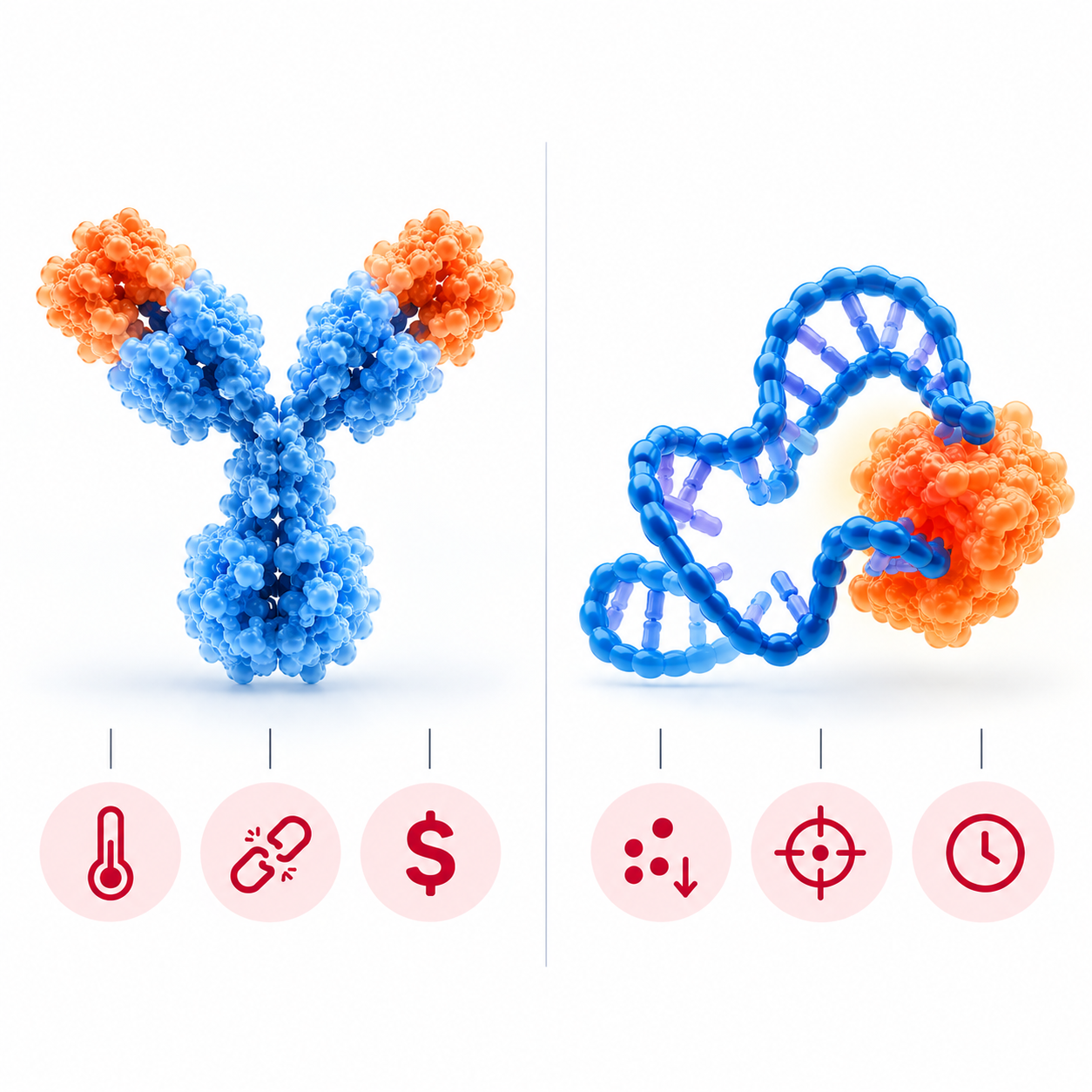
Immunoassays / ELISA
  • Scope of analytes limited to immunogenic molecules
  • Complex, multistep procedures
  • Multiple expensive reagents are required
  • Long analysis time
  • Stability of antibody reagents affects reliability
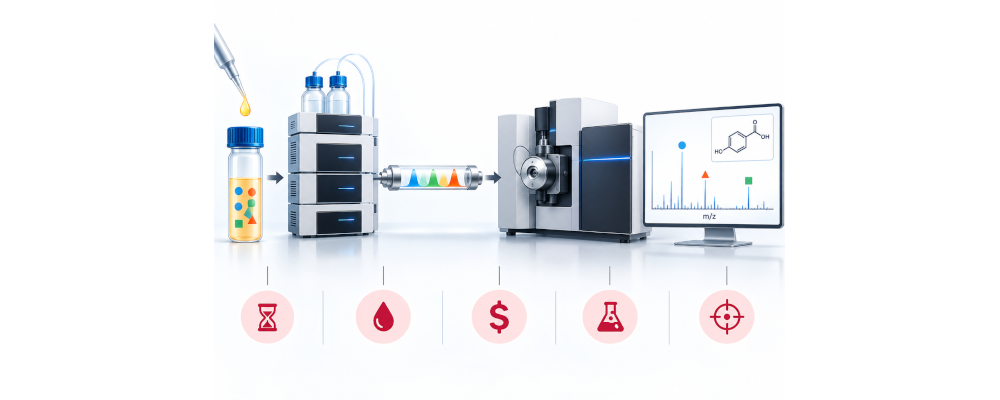
LC/GC-MS
LC/GC-MS
  • Very high costs of equipment purchase, maintenance, software, and staff
  • Low sample throughput
  • Laborious sample preparation often required
  • Entirely unsuitable for miniaturization

Limitations of existing molecular receptors

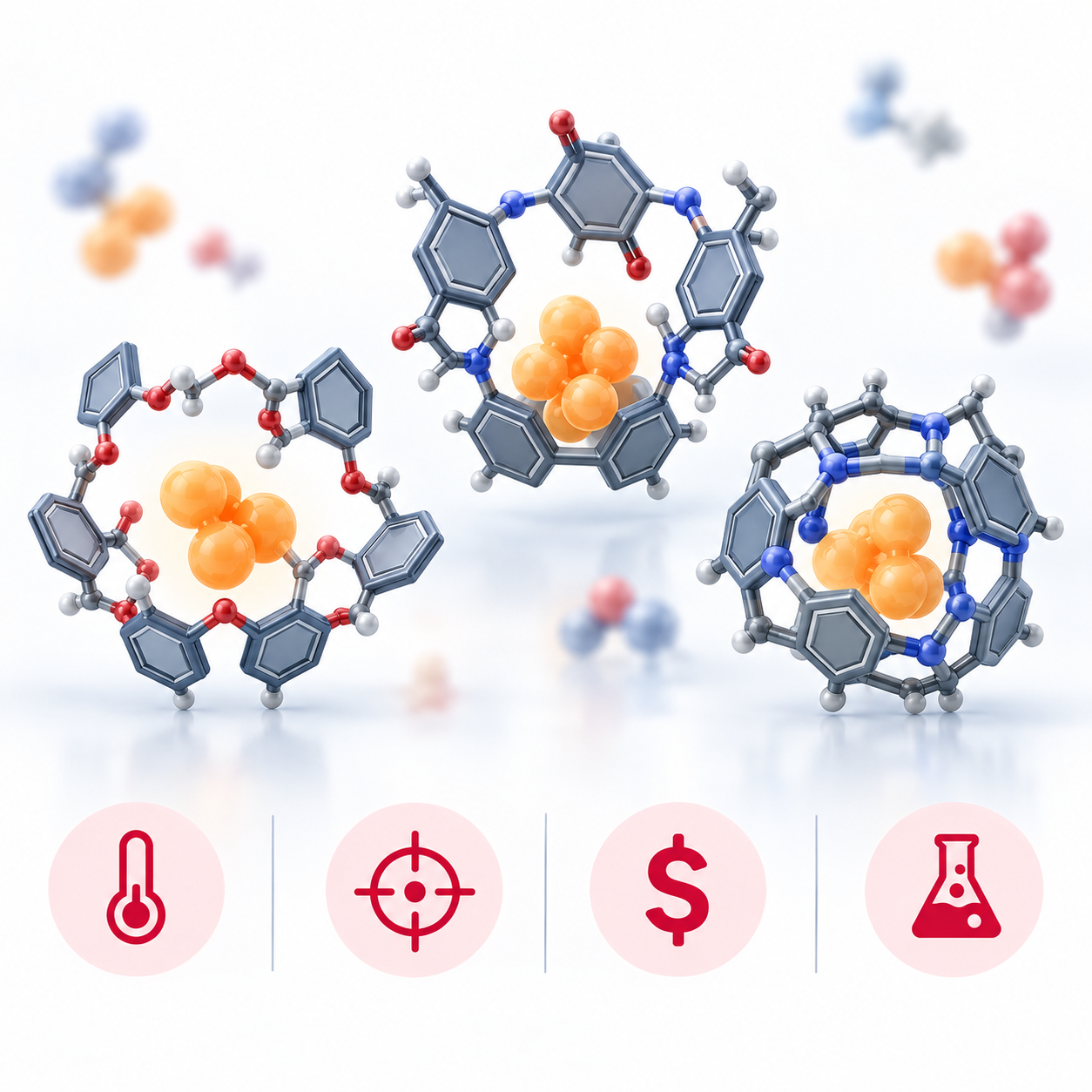
Complexity of immunoassay procedures comes from the absence of a directly observable response upon target binding by biotic molecular receptors — additional manipulations are needed to translate the interaction into a measurable signal. A direct response, such as turn-on fluorescence, can be incorporated into artificial receptors. However, to date there is no generalized receptor discovery platform for abiotic receptors that possess this function.

Biotic Aptamers
Biotic Aptamers
  • Generalized receptor discovery platforms
  • No direct response upon binding
Designed Receptors
Designed Receptors
  • Direct response mechanism can be incorporated
  • Rationally designed for each target molecule

The Solution

A new class of molecular receptors

To deliver a new assay technology with unprecedented capabilities, we are developing synthetic aptamers: a class of molecular receptors aimed at combining selective binding function with an immediately observable response. We are aiming for the following features of assays using our receptors:

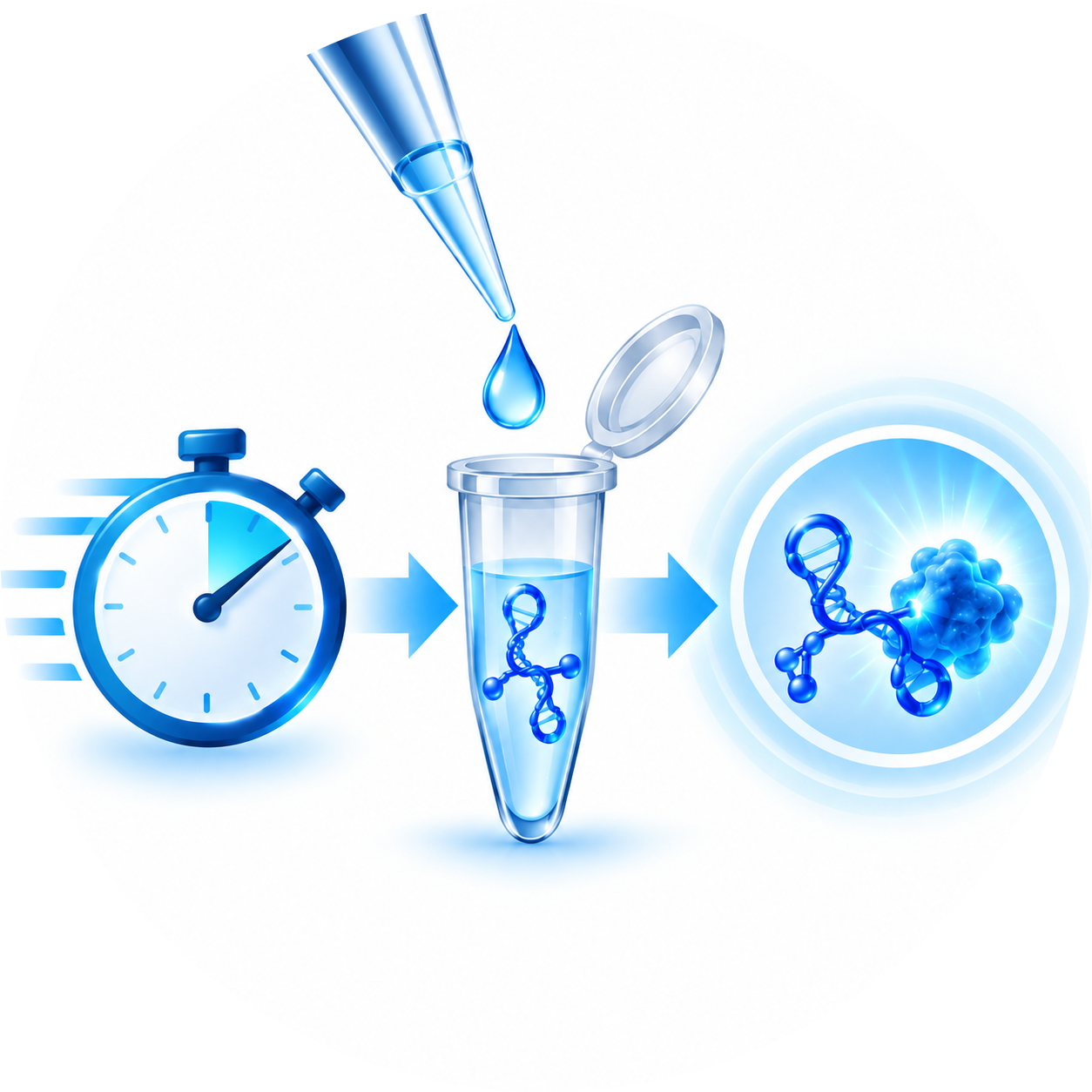
Assay requires one reagent (the receptor) and one step (combining receptor and sample)

Procedure takes no longer than a few minutes with no lengthy incubation periods

Can be performed on commonly available fluorescence plate readers

Receptor solutions have a long shelf life with no need for cold storage

Automation-friendly thanks to simplicity

Wide scope of analytes — theoretically any chemical species

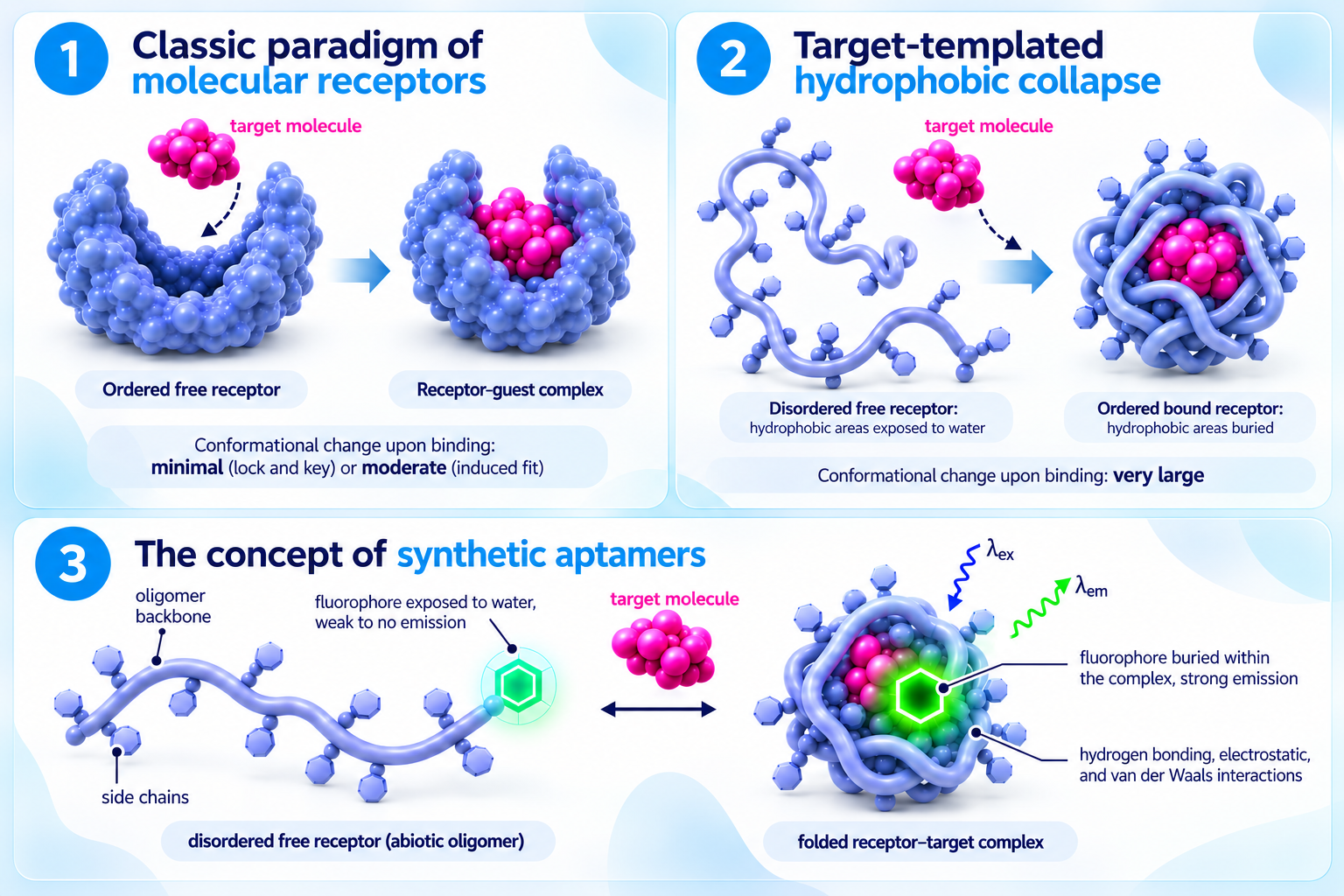
To create this new family of molecular receptor-probes, we will harness an unorthodox way of thinking about receptor-target interactions. In this mode of action, a flexible and disordered receptor undergoes target-induced hydrophobic collapse, adopting a well-defined, stable geometry only in the resulting complex. This strong conformational change can directly provide a fluorescent response through solvatochromism or restriction of intramolecular motion, thus removing the need for complex procedures to translate binding into an observable response.

Synthetic aptamer mechanism diagram
Target-induced hydrophobic collapse mechanism

Our platform for receptor discovery is based on an iterative process of screening libraries of oligomers and automated synthesis of new libraries based on oligomer sequences with the best response to target. An in-house laboratory automation setup at the heart of our receptor selection process provides the necessary high-throughput synthesis capability. Molecular receptors are a foundational technology that enables a very wide range of applications. We are currently focusing on bioassays for biomedical research and diagnostics. Additionally, incorporation of our receptors into receptor-drug conjugates, drug delivery systems, and affinity separation media will likely be possible.

Why Choose Aptomix

Aptomix's synthetic aptamer technology offers promising significant advantages in speed, scope, and reliability, while only requiring commonly available equipment.

APTOMIX ELISA RIA FPI LC/GC-MS SOMASCAN
Receptor type Synthetic aptamers Antibodies Antibodies Antibodies N/A Oligonucleotide aptamers
Target scope Theoretically any chemical species Immunogenic species (mainly proteins) Immunogenic proteins and small molecules Immunogenic small molecules Small molecules and proteins Proteins only
Experimental steps 1: Combining the analyte and receptor 4–8 6 3 1 (+ sample preparation) 6
Experiment time 1–5 min. Incubation not required. 2–5 h. Long incubation for enzymatic reaction. 30 min–24 h, depending on incubation time. 5–30 min. 1 min–2 h, varies with LC/GC separation difficulty. Unknown, expected ≥1 h.
Pricing per bioassay €5 per single assay; €8–11 per multiplexed assay €5–10 €2–10 €3–6 €10–100 €900 per multiplexed experiment (≥€0.09/analyte)
Equipment cost Fluorescence plate reader: €10,000–100,000. Generally available at customer site. Absorbance plate reader: €5,000–100,000. Very common. Gamma counter: €10,000–50,000. FP plate reader: €10,000–100,000. LC(GC)-MS machine: €100,000–1,500,000. High maintenance costs. Microarray scanner: €50,000–500,000.

Applications

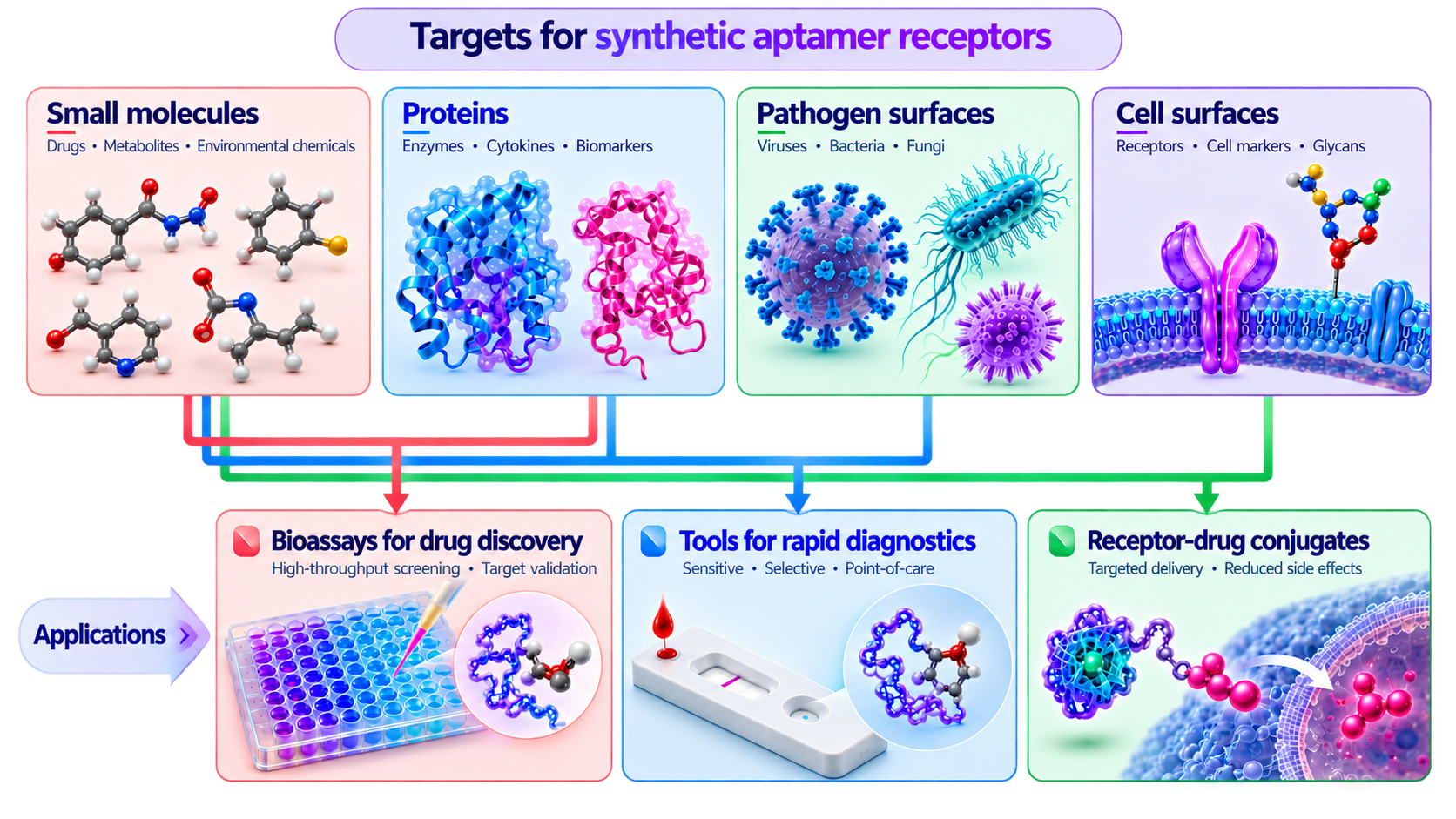
A key strength of our receptor selection platform is that it is not a niche technology. A wide scope of target chemical species that can be recognized by our receptors translates to multiple areas of application. Initially we intend to deploy receptors selected against organic small molecules and proteins for use in drug discovery and other biomedical research. Building on this foundation, we are planning to expand into diagnostics and even stimuli-responsive therapeutics, where our technology will have a direct impact on human health.

Aptomix applications overview — from bioassays to diagnostics to therapeutics

Assays for Biomedical Research

Imagine a fluorimetric probe with antibody-like affinity and selectivity for its recognition target. Simply adding this single reagent to your samples and measuring the strength of turn-on fluorescent response is all that is needed to measure the concentration of your analyte. No multiple unstable reagents, no complex multistep procedures, no lengthy incubation periods, and no radioactive labelling. Excellent reliability, high throughput, and easy deployment in automation. Single method for analysis of small molecules and proteins. Capability of continuous monitoring of analyte concentration and imaging of its spatial distribution. We want to achieve no less than this with our technology and deliver a powerful new analytical tool for drug discovery and other biomedical R&D.

Rapid Diagnostics

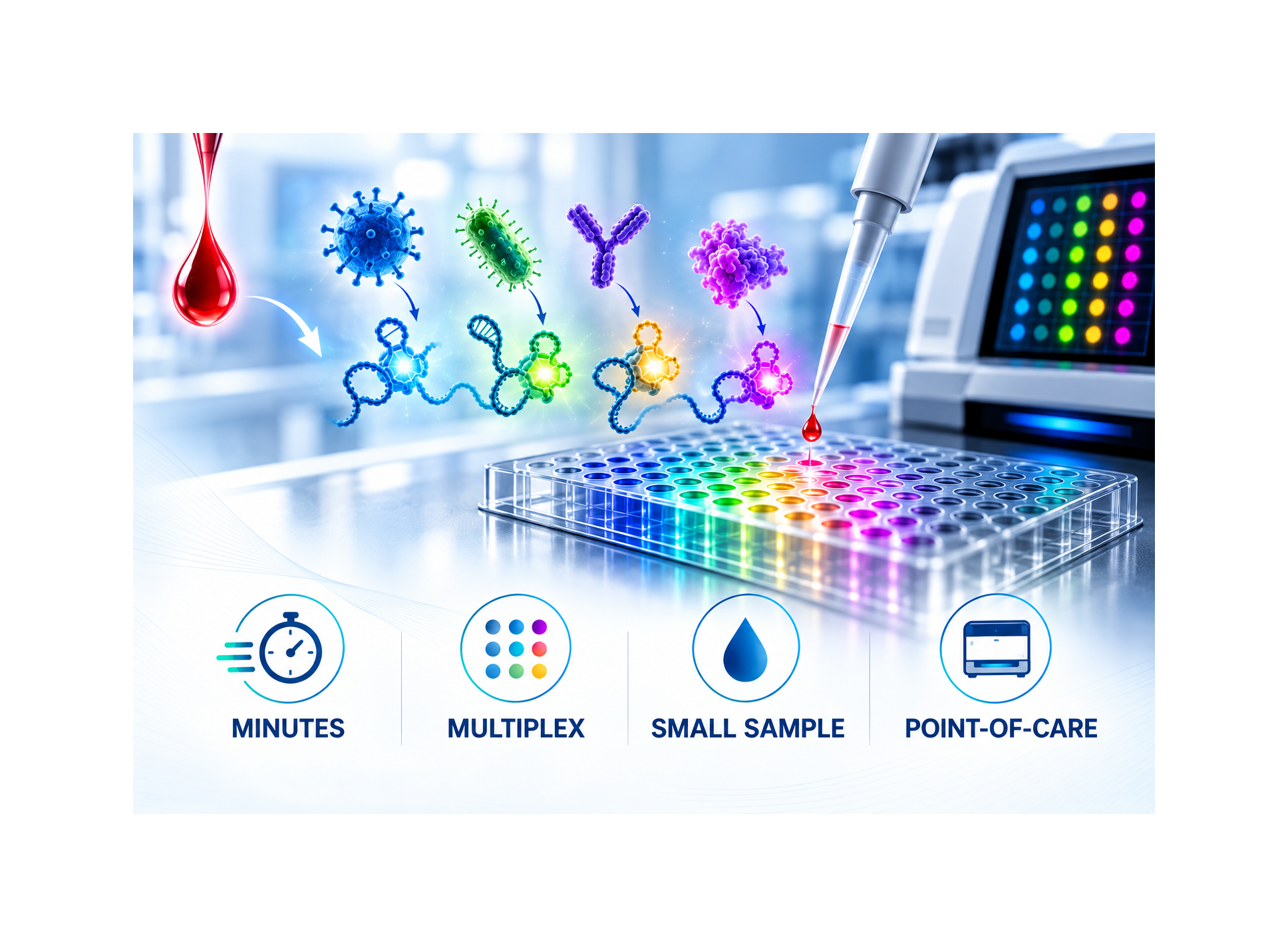
Once the synthetic aptamer technology is proven in R&D applications, we intend to move towards IVD certification of the relevant assays, enabling faster and more reliable results for medical decision making. Additionally, at this stage we envisage developing a microarray-based assay format optimal for simultaneous detection of multiple analytes in a small amount of sample material with readily available benchtop microarray scanners. This technology is promising to permit point-of-care measurement of multiple analytes in medical samples within minutes, becoming an exceptionally strong lifesaving tool in the hands of physicians.

Receptor-Drug Conjugates

There are two ways to incorporate molecular recognition in therapeutics.

Targeted Drug Delivery

A receptor could selectively deliver a drug to its intended destination, e.g. a cancer cell. Currently this mode of action is harnessed in ADCs (antibody-drug conjugates). The use of synthetic aptamers in the place of antibodies could avoid some of the challenges of ADCs, especially improved tumour penetration (due to much lower molecular weight) and in vivo stability.

Stimuli-Responsive Therapeutics

A receptor could work as a switch that activates or deactivates a drug in response to a chemical signal. An early example of this principle is the glucose-responsive insulin (NNC2215) being developed at Novo Nordisk. We expect that with a receptor discovery platform in our hands, several new stimuli-responsive drugs will be possible.

Team

Katarzyna Sokol, PhD

Katarzyna Sokol, PhD

Co-founder & CEO

LinkedIn

A specialist in inorganic and physical chemistry with 10+ years of research experience. 3+ years experience as CTO of the Belgian green H₂ tech startup H2WIN, managing day-to-day R&D activities, optimising management tools, supervising sub-contracted modules, and writing grants. During that time H2WIN received >€6 mln in funding.

She holds a First-Class Honours MChem degree from the University of Edinburgh and a PhD in Chemistry from the University of Cambridge, where her research focused on artificial photosynthesis and developing energy storage devices for solar H₂ generation and CO₂ reduction.

Previously, a Business Development Associate at CamIn Consulting identifying innovative technologies, a Scientific Project Adviser at ERCEA managing ERC projects, and a Research Associate at MIT designing thin-film solid-state Li batteries. She received a competitive MIT Energy Initiative Seed Fund Award to build an automated setup for solid-state battery discovery.

Arseni Borissov, PhD

Arseni Borissov, PhD

Co-founder & CTO

LinkedIn

A specialist in organic synthesis and supramolecular chemistry with 10+ years of research experience, with additional expertise in computational chemistry, programming, and data science. Currently an assistant professor at the University of Wrocław, carrying out research on synthetic methodology, polyaromatic nanocarbons, and molecular recognition, supported by NCN SONATA grant.

He holds a First-Class Honours MChem degree from the University of Edinburgh and a PhD in Chemistry from the University of Oxford, where his research focused on molecular recognition of anions. There he discovered the target-induced hydrophobic collapse mode of action in a family of anion receptors, which has inspired the technology proposed here.

Previously, a Postdoctoral Research Associate at the University of Wrocław designing and synthesising open-shell polycyclic aromatic hydrocarbons, and an Organic Synthesis Chemist at Novartis Horsham Research Centre.

News

2025

Seed Funding Round

Aptomix is currently raising seed funding to start our operations in 2025. Stay tuned!

Frequently Asked Questions

What is Aptomix's core technology?

Aptomix develops synthetic aptamer-based bioassays — a next-generation receptor platform capable of detecting virtually any chemical species with high sensitivity and selectivity. Unlike traditional antibody-based assays, our technology offers faster analysis, simpler one-step workflows, and a significantly broader target scope.

How do Aptomix assays compare to ELISA?

Aptomix assays require only a single reagent and one step — combining the analyte with the receptor and reading the fluorescent response. ELISA typically involves 4–8 steps and 2–5 hours. Our approach eliminates complex multi-step procedures, long incubation times, and the need for multiple unstable reagents.

What types of molecules can the Aptomix platform detect?

Our platform is theoretically capable of selecting receptors against any chemical species — including small organic molecules and proteins. This sets us apart from immunoassays, which are limited to immunogenic targets, and from mass spectrometry platforms that have their own scope constraints.

What equipment is needed to run an Aptomix assay?

A standard fluorescence plate reader is sufficient — an instrument already available at most research laboratories and diagnostic centres, typically costing €10,000–100,000. This contrasts with mass spectrometry systems requiring €100,000–1,500,000 with high maintenance overhead.

What are the intended applications of the Aptomix platform?

We are initially focusing on biomedical research and drug discovery. Our roadmap includes in vitro diagnostics (IVD), point-of-care testing, and stimuli-responsive therapeutics such as receptor-drug conjugates — areas where our synthetic aptamer technology can have a direct impact on human health.

Contact Us

Katarzyna Sokol

Co-founder & CEO

katarzynasokol@aptomix.com LinkedIn

Arseni Borissov

Co-founder & CTO

arseniborissov@aptomix.com LinkedIn

Send us a message